-
 Workshop | Process Modelling and Simulation for Semiconductor
MicrofabricationADANA, TURKEY JULY 14, 2023
Workshop Title:
Process Modelling and Simulation for Semiconductor Microfabrication
Date:
July 14th, 2023 (GMT+3)
Organizer:
Department of Biomedical Engineering, Faculty of Engineering, Çukurova University
Keywords:
- Semiconductor Devices
- Microfabrication
- Computational Simulation
Workshop Chair:
Personal Bio:
Mustafa Istanbullu is an Assistant Professor and vice chair of the undergraduate program in Biomedical Engineering at Çukurova University, where he has been working since 2021. He received his Bachelor's degree in Electrical and Electronics Engineering and later earned a master's degree in Biomedical Engineering from the Istanbul Technical University.
For his master's thesis, he focused on the early diagnosis of osteoporosis using artificial neural networks and support vector machines. He then pursued his PhD at Çukurova University, where his research centered around the design and simulation of a carbon nanotube hybridized field-effect transistor biopotential sensor.
His research interests include microelectronics, microfabrication of semiconductor devices, modeling of electronic devices, analog/digital circuit design, and biomedical instrumentation. He has published articles in international scientific journals and has received an international patent in 2021 for his invention of an ANN-based single calibration impedance measurement system for skin impedance range. He is committed to advancing the field of biomedical engineering and providing his students with an exceptional education.
Workshop Committee Members:
Dr. Mustafa İSTANBULLU, Çukurova University, mistanbullu@cu.edu.tr
Ms. Büşra OĞUZHAN, Çukurova University, busraoguzhn96@gmail.com
Workshop Description:
Background:
The semiconductor industry plays a critical role in advancing technology, with semiconductor device fabrication processes being at the core of producing high-performance electronic components. Efficient design and optimization of these processes are essential for achieving optimal device performance, yield, and cost-effectiveness. Process modeling and simulation techniques have emerged as valuable tools for understanding, analyzing, and improving semiconductor device fabrication processes. By accurately representing and simulating various process steps, these tools enable engineers and researchers to optimize process parameters, predict device characteristics, and identify areas for improvement. To equip participants with the necessary skills and knowledge in this domain, we propose a workshop focused on introducing process modeling software tools for simulating and optimizing semiconductor device fabrication processes.
Goal/Rationale:
The goal of this workshop is to provide participants with a comprehensive understanding of a process modeling software tool and its applications in simulating and optimizing semiconductor device fabrication processes. By the end of the workshop, participants will be equipped with the necessary knowledge and hands-on experience to effectively leverage this tool in their own research, development, and industrial projects related to semiconductor device fabrication.
Scope and Information for Participants:
Introduction to Semiconductor Device Fabrication Processes: Participants will receive an overview of the fundamental processes involved in semiconductor device fabrication, such as lithography, deposition, etching, and doping.
Overview of Process Modeling and Simulation: Participants will gain an understanding of the importance and benefits of process modeling and simulation in optimizing semiconductor device fabrication processes. Key concepts, challenges, and methodologies related to process modeling will be discussed.
Hands-on Sessions: Participants will engage in hands-on sessions to gain practical experience using a process modeling software tool for simulating and optimizing semiconductor device fabrication processes. They will learn to create process models, define process parameters, simulate fabrication steps, and analyze the resulting device characteristics. These sessions will provide participants with a deeper understanding of how to apply simulation-based optimization techniques in their own work.
Case Studies: The workshop will include case studies where process modeling and simulation have been successfully employed to optimize semiconductor device fabrication processes. Participants will explore different process variations, analyze their impact on device performance, and discuss strategies for process optimization.
Open Discussion and Q&A: Throughout the workshop, there will be dedicated sessions for open discussions and Q&A, allowing participants to share their experiences, seek guidance from the workshop instructors, and collaborate with fellow participants.
Prerequisites: Participants should have a basic understanding of semiconductor device fabrication processes and familiarity with engineering concepts. Prior experience with process modeling software tools is not required but would be beneficial.
Target Audience: This workshop is intended for researchers, engineers, and students involved in semiconductor device fabrication, process design, optimization, and research in universities, and research institutions. Participants from diverse backgrounds such as electrical engineering, materials science, and related disciplines are welcome.
Equipment: Participants are expected to bring their laptops with the necessary process modeling software tools installed. Detailed instructions regarding the software requirements and installation procedures will be provided well in advance.
Highlights:
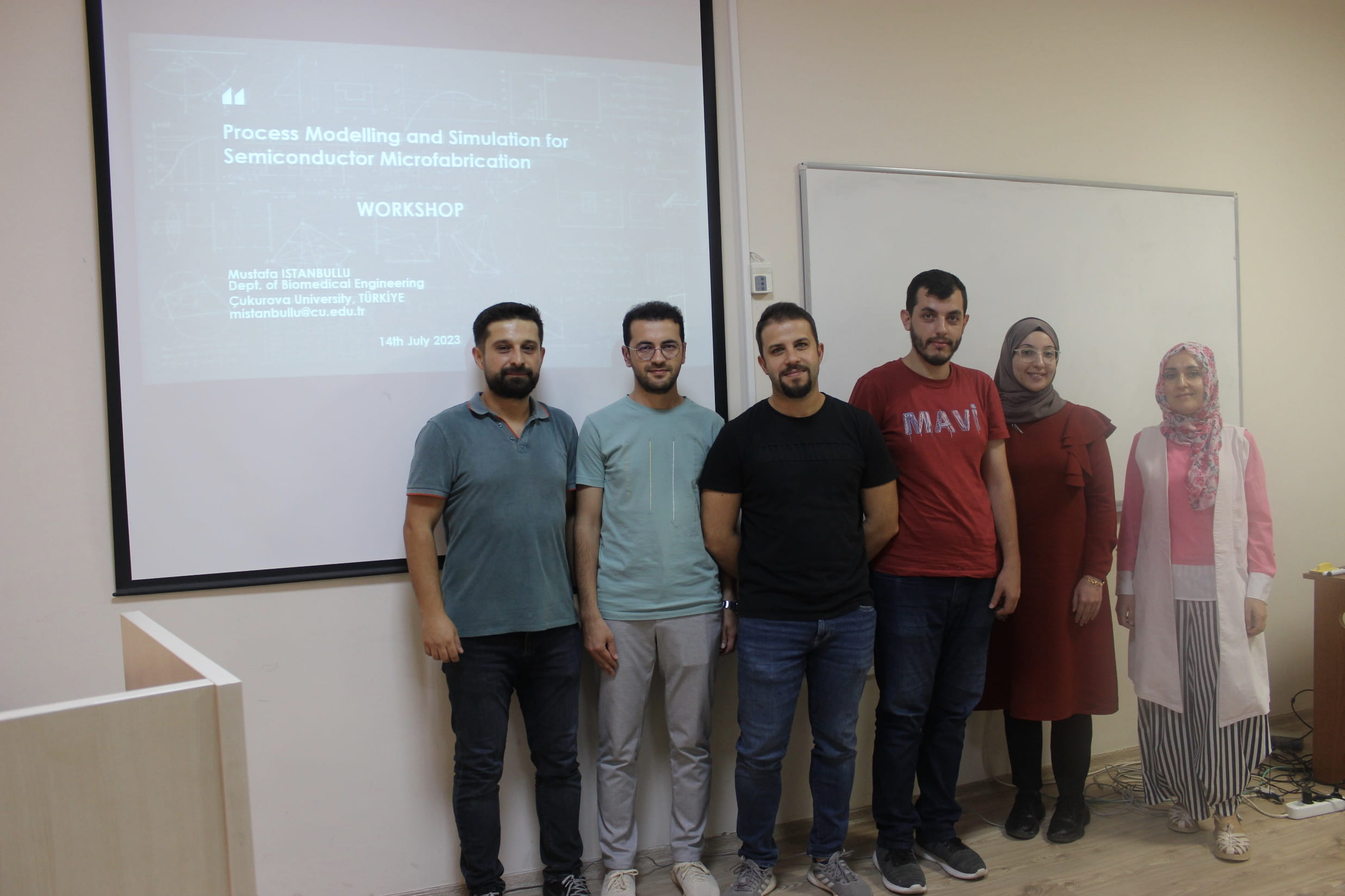
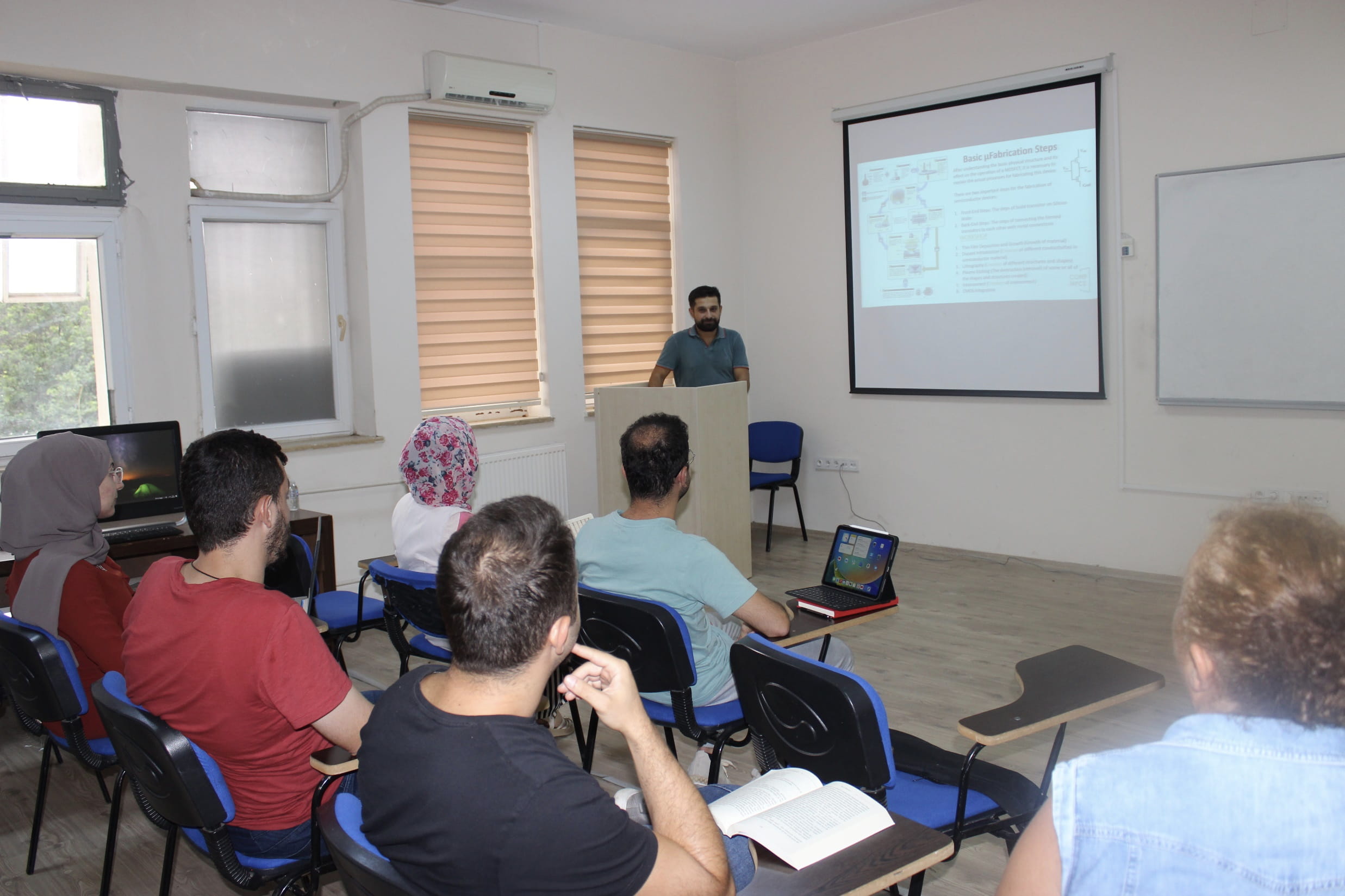
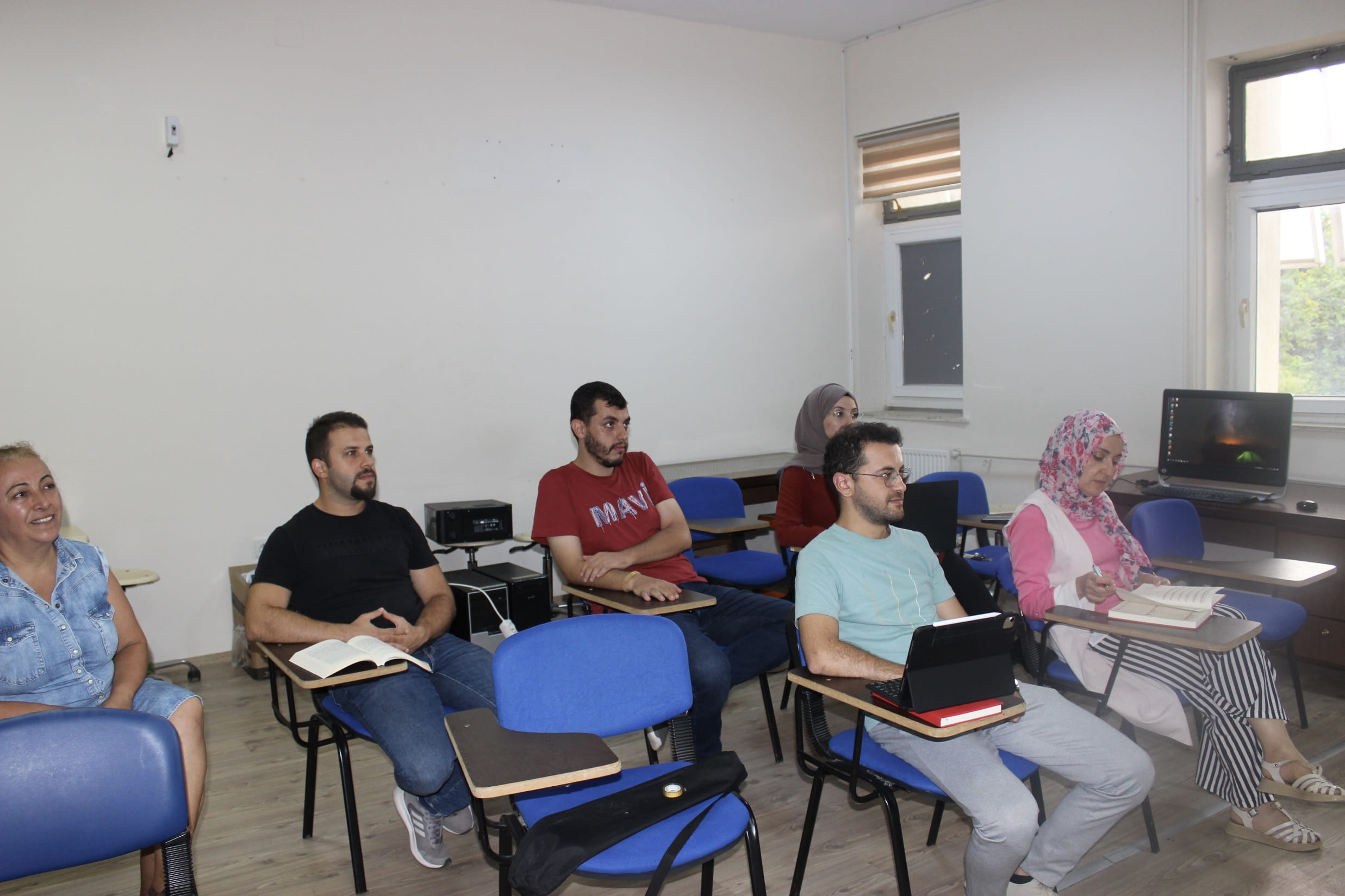
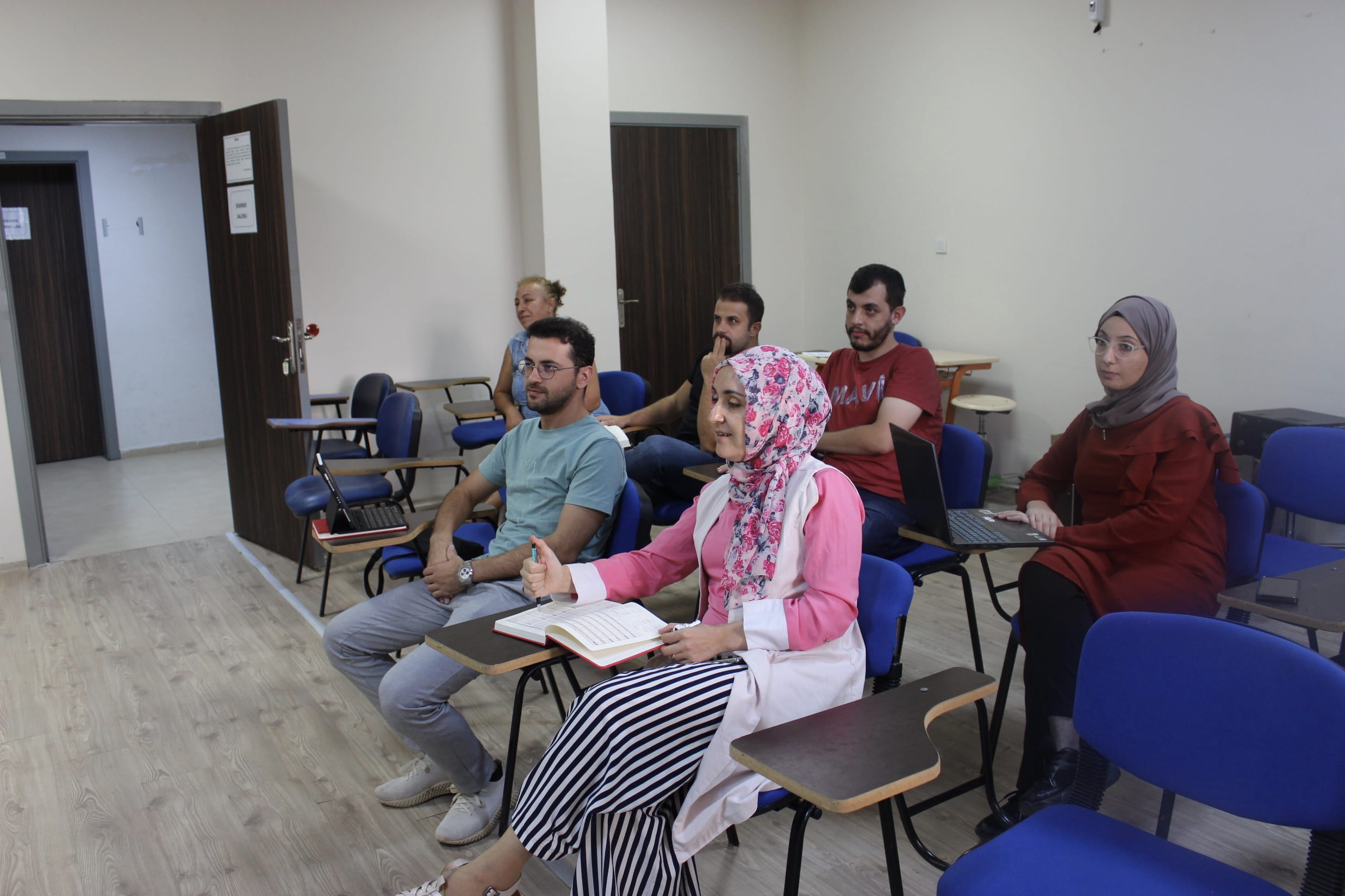
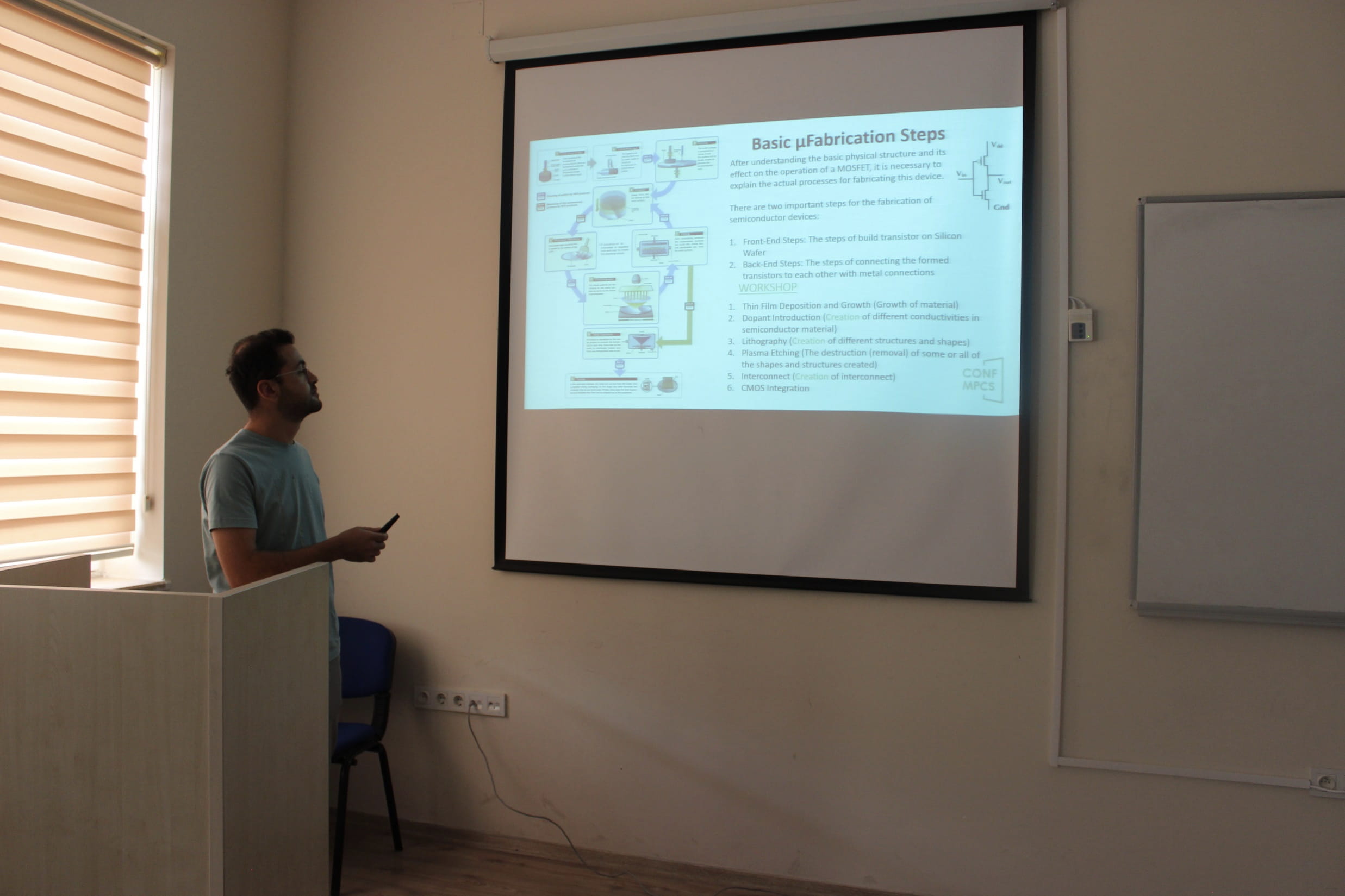
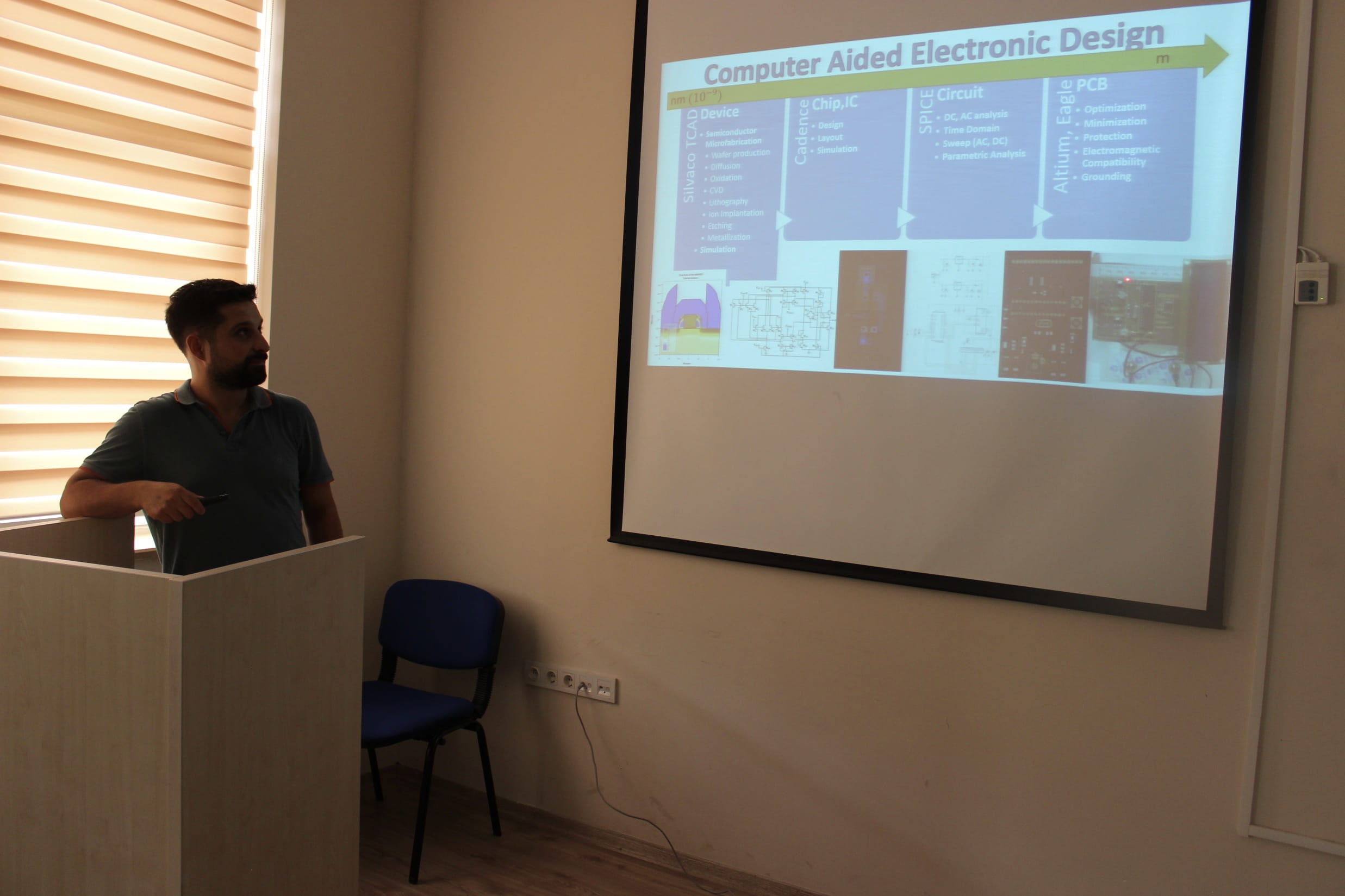
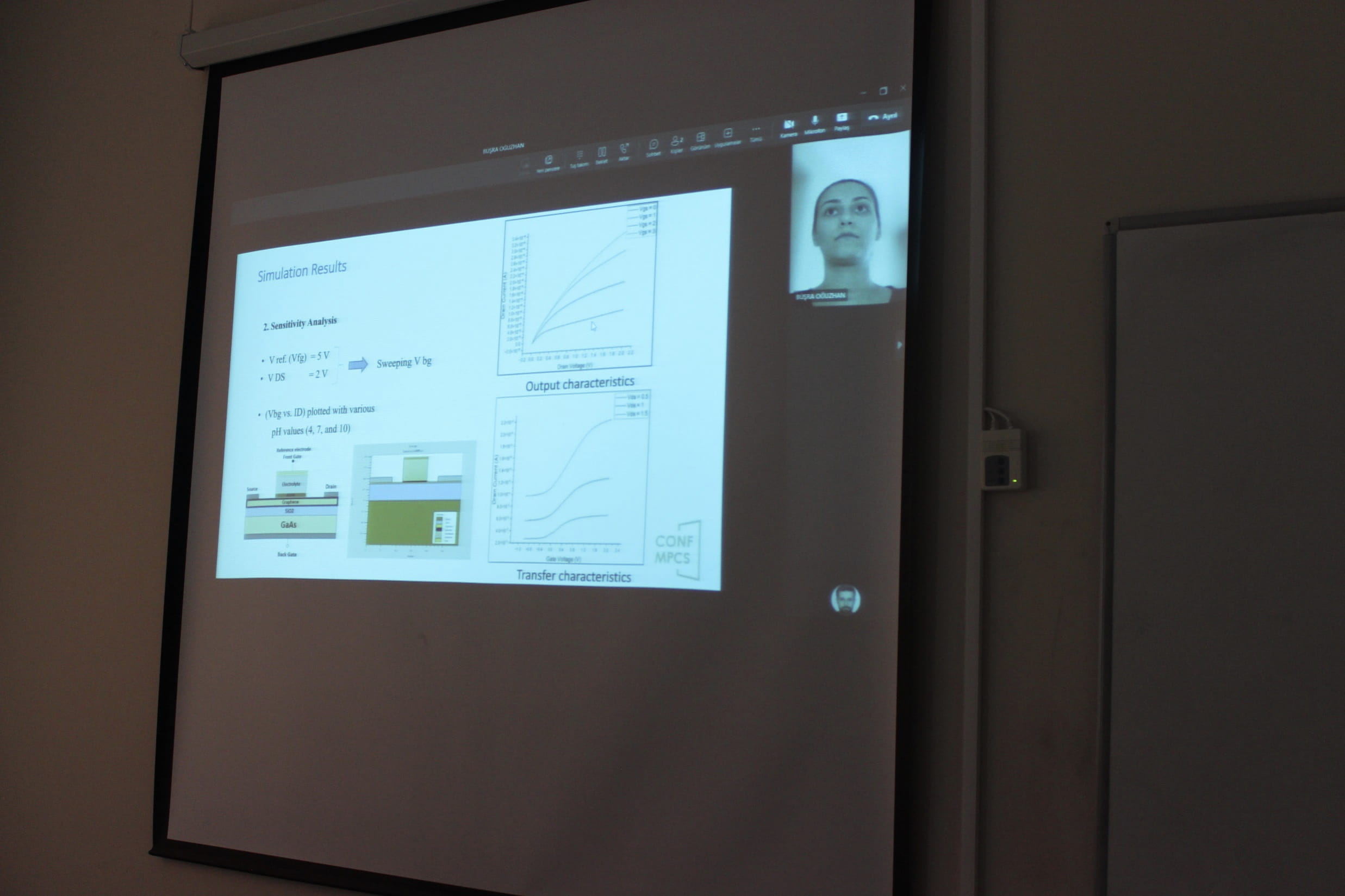
During this comprehensive academic workshop, participants delved into the world of semiconductor device fabrication processes and gained invaluable insights into the practical applications of process modeling and simulation.
The workshop began with an introduction to semiconductor device fabrication processes, laying the foundation for participants to understand essential concepts such as lithography, deposition, etching, and doping. Participants then explored the significance of process modeling and simulation in optimizing these intricate processes, emphasizing the benefits and methodologies involved.
Hands-on sessions were a pivotal component of the workshop, allowing participants to acquire practical skills using process modeling software tools. They learned to construct process models, manipulate parameters, simulate fabrication steps, and analyze resulting device characteristics. These sessions provided participants with a deep understanding of how to employ simulation-based optimization techniques in their research and industrial projects.
Case studies showcased successful applications of process modeling and simulation, enabling participants to explore various process variations, assess their impact on device performance, and strategize for process optimization.
Throughout the workshop, open discussions and Q&A sessions fostered collaboration, enabling participants to share experiences, seek guidance from instructors, and engage with peers from diverse backgrounds, including electrical engineering and materials science.
In summary, this workshop empowered researchers, engineers, and students with the knowledge, skills, and practical experience needed to leverage process modeling software tools effectively in semiconductor device fabrication, process design, and optimization projects.
Venue:
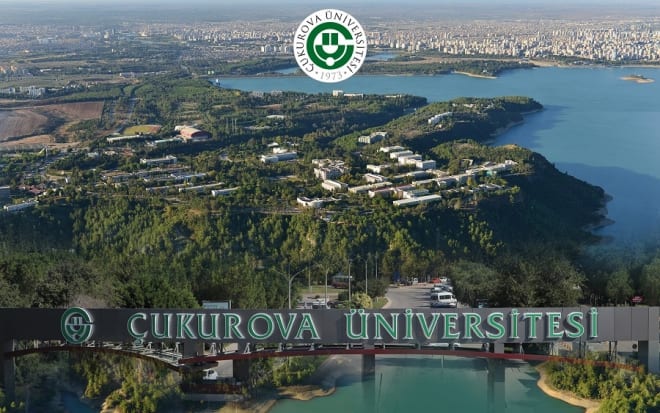
Balcalı, Çukurova Üniversitesi Rektörlüğü, 01330 Sarıçam/Adana, Turkey
VISA:
www.mfa.gov.tr- Visitors who are not exempt from entry visa must obtain their visas or schedule an appointment with the Turkish Consular offices via Pre-Application System for Turkish Sticker Visa (www.visa.gov.tr). The applicants who meet the requirements will be directed by the Pre-Application System for Turkish Sticker Visa to the e-Visa system (www.evisa.gov.tr) In those countries where Türkiye does not have a consular representation can also use online scheduling for appointments with the nearest accredited consular office of Türkiye.
- In order to avoid inconveniences that may be caused by delays in processing, it is recommended to apply for visas at least one month in advance before the planned travel.
- The visas submitted to foreigners do not guarantee absolute rights of entry to Türkiye.
- Visa fees are not refundable in cases where applications are rejected
- All applicants are required to have a medical insurance that will be valid during their stay in Türkiye.
- The length of stay provided by visa or visa exemption cannot exceed 90 days within each 180 days. The regulation of 90 days of stay within the last 180 days is binding for all foreigners that will travel to Türkiye.
- It is not possible for foreigners holding two passports to stay in Türkiye for 90 days each with their two different passports within the last 180 days.
- In all types of visa applications, Turkish consular offices may issue visas with a maximum duration of stay of 90 days. The foreigners who wish to stay longer than 90 days in Türkiye, should apply for "Short Term Residence Permit" at the Provincial Directorate of Migration Administration in order to extend their residence.
- The residence permit of the foreigners will be cancelled if they stay outside Türkiye for longer than 120 days in total during the last year.
- For United Nations (UN) Travel Document (Laissez-Passer) holders who have blue UN travel documents, visa exemption with 90 days length of stay within the preceding 180 days may apply during their official visit to Türkiye if they can certify their official assignment. Red UN Travel Document holders, shall be exempt from entry visa and may stay in Türkiye 90 days within the preceding 180 days regardless of their purpose of visit. General visa provisions shall apply for Blue UN travel document holders subject to regulations specified according to their country of origin.
- Visa applications for travels except for touristic or trade purposes (work or study etc.) will need to obtain visa through Turkish Representations in the abroad.
- Regardless of the visa regime applied towards the citizens of a country, the travel document holders of that country need to obtain visa from Turkish missions beforehand.
- Any applicant under the age of 18 must submit official written approvals from both parents. For those applicants who certify that their parents are officially divorced and prove the parent holding their custody as well as for those with one parent deceased, visas may be issued in accordance with their purpose of visit.
- The authorization of processing the residence permit applications submitted by the following persons who enter Türkiye availing visa-free regime and without requirement of obtainment of Student Visas lays with Local Immigration Offices (Provincial Directorates of Migration): Foreigners who arrive in Türkiye upon invitations by universities under Turkish Higher Education Board to study at the associate, undergraduate, graduate, post-graduate, Ph. D levels pursuant to international student exchange programs, cultural programs as well as under EU Education and Youth Programs.
- For foreigners wishing to enter Türkiye via naval ports with touristic purposes, visa-free entry permits may be issued by the local governorates. These permits shall have a maximum 72 hours duration of stay and will be only valid for sightseeing purposes in the vicinity of naval ports where they entered the country. This practice, as it intends to facilitate entry for those visitors subject to visa, does not entitle visitors to visa. Passports of these visitors are not retained by the border authorities; however, visitors are given "Harbor City Entry Permit" which is required to be returned to the authorities upon their exits.
- Any piece of data submitted here may be processed and stored in database accessible to the relevant Turkish authorities in accordance with their respective mandates.
Tourist Visa
- If an invitation letter is submitted for a Touristic Visa application, it must include the inviting person's TR Identity Number, clear identity, the list of invitees, permanent address, contact number, length and purpose of stay and the affinity with the applicant must be stated in the letter. If the inviting side is an organization or a company, tax registration certificate of the organization will be required. In the invitation letter it is also required for the inviting person/authority to pledge for covering victuals and accommodation expenses and for taking their own responsibility. The applicant is required to have sufficient and/or regular remunerations.